
Introduction
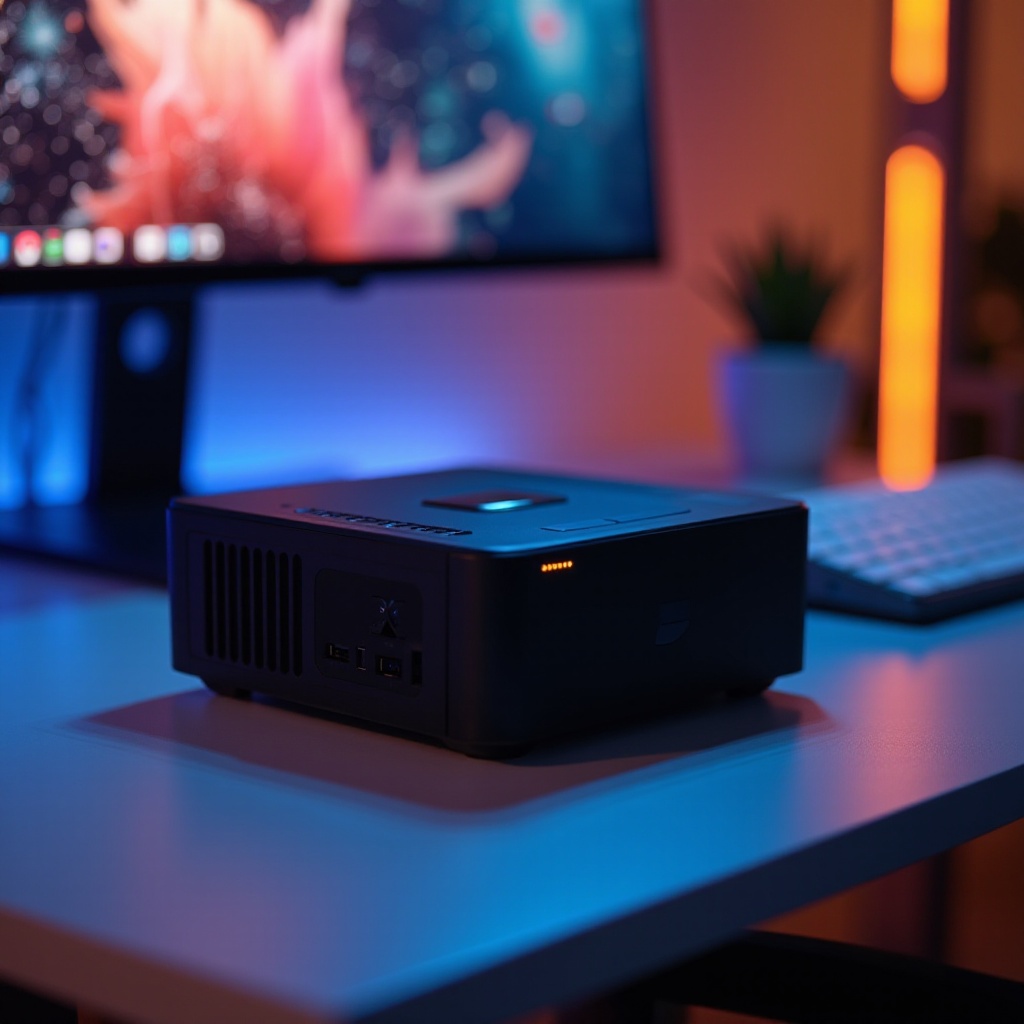
Mini PCs, with their compact design, offer remarkable computing solutions without the bulk of traditional desktops. By integrating discrete graphics, mini PCs provide enhanced performance, crucial for tasks demanding high visual fidelity, such as gaming, video editing, and professional applications. These features allow you to enjoy powerful computing in a compact device.
Why Choose a Mini PC with Discrete Graphics?
Mini PCs with discrete graphics stand out due to their ability to handle graphically intensive tasks effectively. Discrete graphics are dedicated GPU units that provide superior performance over integrated solutions by taking on the graphical processing load independently from the CPU. This enhancement is particularly beneficial for tasks like rendering, video playback, and high-end gaming. So, when performance is a priority, opting for a mini PC with discrete graphics ensures you are equipped with the needed power without compromising on size.
Key Features of Modern Mini PCs with Discrete Graphics
To select the most suitable mini PC, focus on critical features that ensure a balance of performance and efficiency:
- Processing Power and GPU Capabilities: Opt for a mini PC with a robust CPU and a dedicated GPU to handle multitasking and graphic-intensive operations with ease.
- Memory and Storage Options: Sufficient RAM (8GB or higher) and storage (preferably SSD) are vital for smooth operations. Prioritize devices that allow memory expansion for future needs.
- Connectivity and Expansion Possibilities: Prefer mini PCs with multiple ports (USB, HDMI, etc.) and up-to-date wireless technologies (Wi-Fi 6, Bluetooth 5.0) to enhance connectivity and ensure longevity.
These features contribute to choosing a mini PC that not only meets current requirements but also accommodates future enhancements, providing a solid investment over time.
Top Mini PCs with Discrete Graphics in 2024
Selecting the right mini PC often depends on specific user needs. Here are some top choices from the class of 2024:
- Model 1: Specifications, Pros, and Cons
- Specifications: Equipped with a quad-core processor, 16GB RAM, 512GB SSD, and NVIDIA GTX 1650 GPU.
- Pros: Excellent for gaming and editing due to its powerful GPU.
-
Cons: Comes at a higher price compared to comparable models.
-
Model 2: Specifications, Pros, and Cons
- Specifications: Features a dual-core processor, 8GB RAM, 256GB SSD, and AMD Radeon RX 550 GPU.
- Pros: Offers affordability with decent performance for moderate gaming.
-
Cons: Limited processing power, not suitable for high-end graphics needs.
-
Model 3: Specifications, Pros, and Cons
- Specifications: Boasts a hexa-core processor, 32GB RAM, 1TB SSD, and NVIDIA RTX 3050 GPU.
- Pros: Premium RAM and storage, ideal for professionals requiring high computing power.
- Cons: Slightly larger footprint for a mini PC.
These models span a range of needs from budget-minded users to professionals needing robust performance, each providing unique advantages based on user preferences.
Comparing Discrete Graphics vs Integrated Graphics in Mini PCs
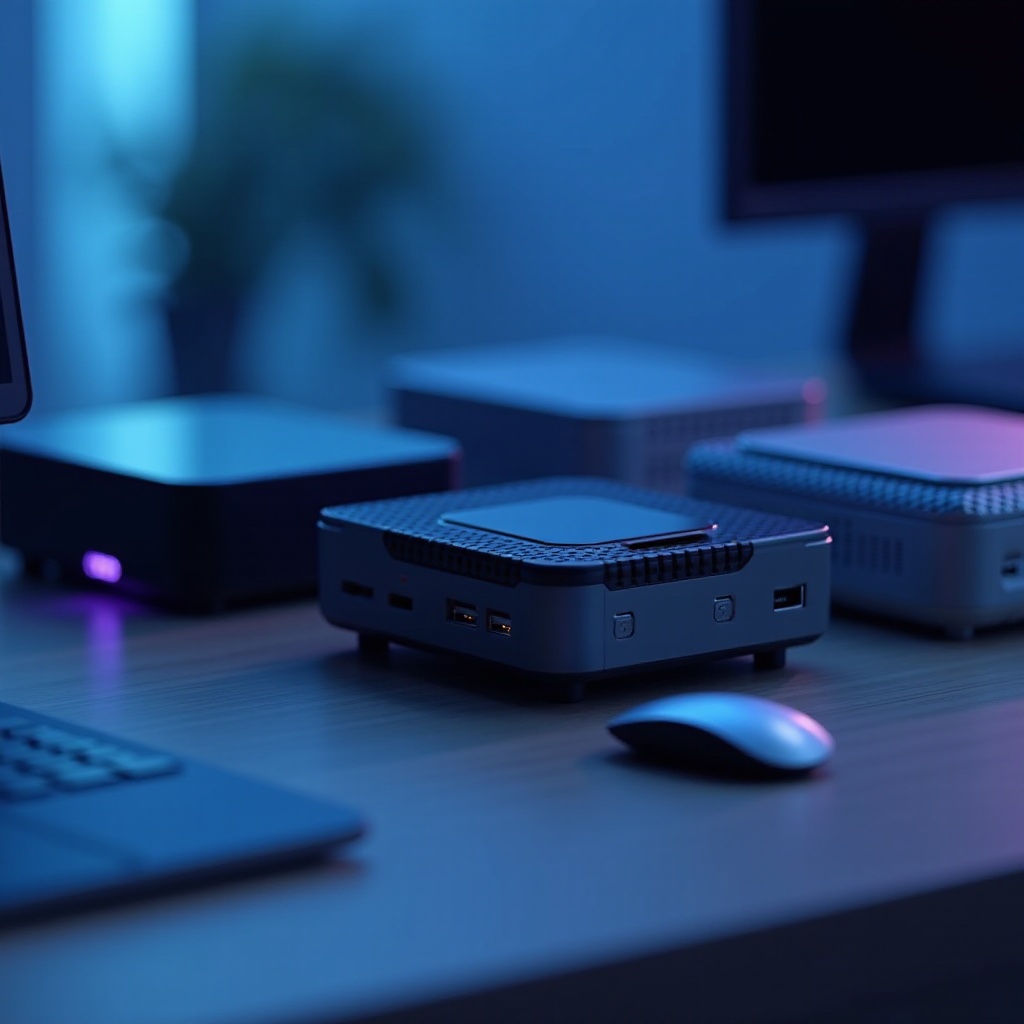
Discrete graphics offer distinct advantages over integrated graphics, primarily by providing their own dedicated RAM and processing capability. Integrated graphics, on the other hand, share resources with the CPU, which can constrain performance for graphic-intensive applications. Discrete graphics enhance performance notably for gaming and graphic design, while also being more efficient due to their ability to process tasks quickly, conserving power.
Real-World Applications of Mini PCs with Discrete Graphics
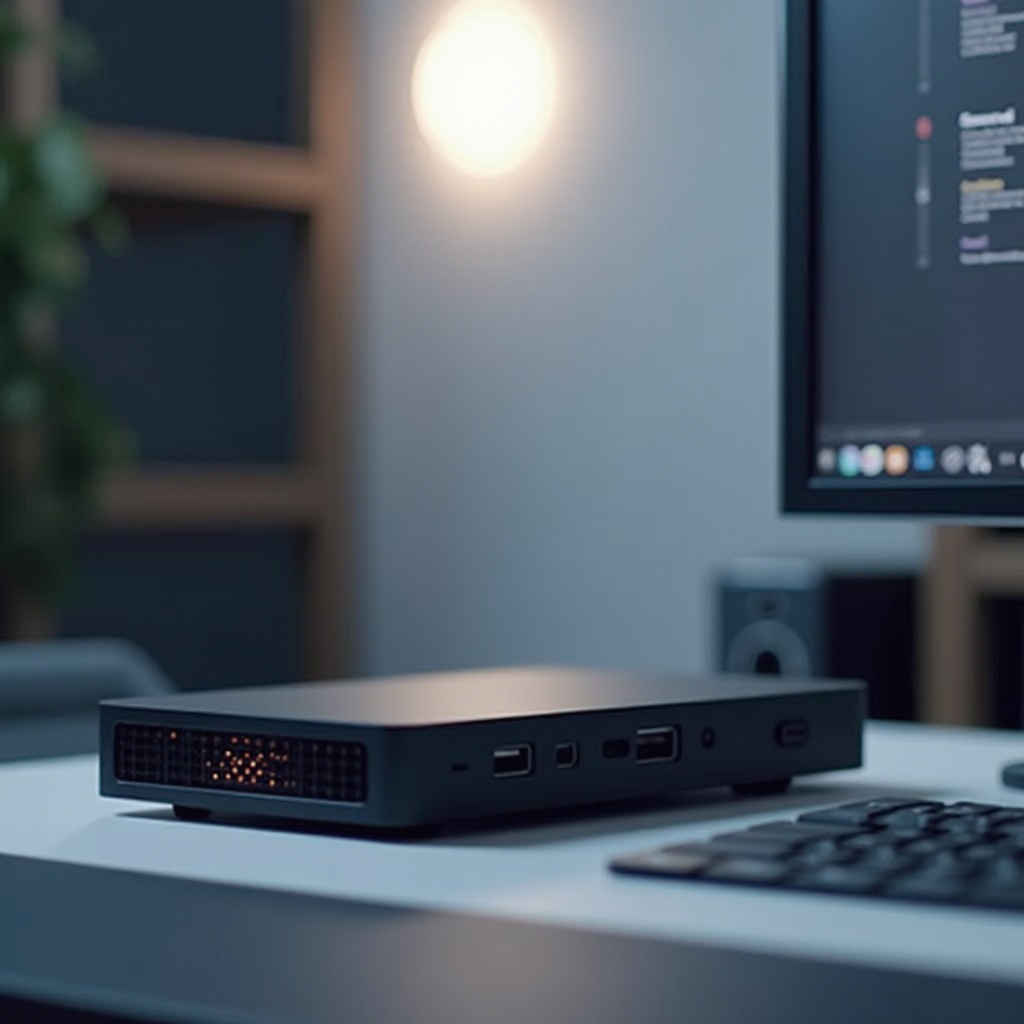
Mini PCs equipped with discrete graphics find applications in various domains, harnessing their enhanced capabilities:
- Gaming and Entertainment: They can handle demanding AAA games with ease, delivering high frame rates and detailed visuals.
- Content Creation and Multimedia Editing: Ideal for video editing and graphic design, providing the power needed for rendering and real-time editing.
- Professional and Office Use: Suitable for running complex simulations, 3D modeling, and other graphics-demanding software with efficiency.
These practical applications demonstrate the versatility of mini PCs with discrete graphics as more than just compact computers, proving their worth in diverse scenarios.
Conclusion
Choosing a mini PC with discrete graphics provides a potent computing solution that resolves space constraints without sacrificing power. By understanding key features and comparing top 2024 models, users can select the ideal mini PC to meet both current and future needs. Whether for personal entertainment, professional tasks, or creative projects, these devices offer a myriad of possibilities.
Frequently Asked Questions
What are the main advantages of discrete graphics in a mini PC?
Discrete graphics provide enhanced performance for gaming and intensive graphic tasks, reducing CPU load and increasing efficiency.
How do I choose the best mini PC for gaming?
Consider a high-performance GPU, adequate RAM, and sufficient storage. Ensure the mini PC supports HD resolution with smooth frame rates.
Are mini PCs with discrete graphics energy-efficient?
Yes, they process tasks more efficiently, often using less power than larger PCs by optimizing performance per watt usage.